
What Heritability Tells A Horse Breeder
Heritability for horse performance traits is usually modest and varies by population. Here is what published estimates show and what they cannot tell you.
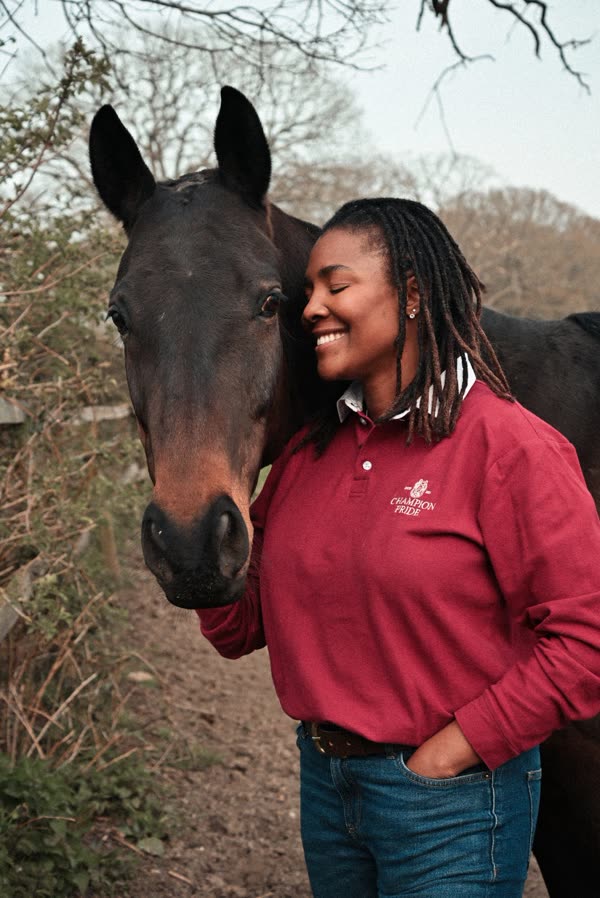
Heritability is a ratio: genetic variance divided by total variance, which includes the effect of environment. For horse performance traits the published values are mostly modest and wide-ranging. They describe one population at one time, not a promise about any foal.
What the numbers look like
A veterinary text gives ranges of 0.15 to 0.55 for flat racing, 0.05 to 0.28 for show jumping and eventing, and 0.11 for dressage. Muscle fibre composition falls at 0.12 to 0.28, and walk and trot variables at 0.05 to 0.44. Conformation traits such as height and weight range from 0.25 to 0.89. A Thoroughbred review reports racing time mostly at 0.1 to 0.2, and earnings or handicap measures at 0.3 to 0.4. A Brazilian study of 23,482 Quarter Horse sprint records from 5861 animals found 0.10 to 0.37.
Why estimates vary
The Thoroughbred review notes that estimates differ by method, age, sex, track and distance. For final race time they ranged from 0.06 to 0.84 across studies, though most were below 0.20. The veterinary text adds that an estimate applies only to the breed and population where it was calculated, and should be recalculated periodically in an active breeding programme.
What breeders can take from it
A value of 0.40 means genetic influence that is substantial but not deterministic. Environment, training and management still count. Generation intervals are long, at 11.2 years for male and 9.7 years for female Thoroughbreds, which slows progress. The review also notes that winning times have been stable for decades, even though genetic variation exists. Researchers debate why. Selection on performance records is practical in horses because both sexes can be tested and repeated records collected, according to the review. I found no heritability estimate for polo performance in the sources retrieved.
What this means for the programme
The programme is in formation. It crosses Sahel mares with thoroughbred sires, using frozen semen. It uses microchip identification, DNA parentage testing, veterinary screening and a written start record. No ponies are for sale and no results are claimed yet.
Frequently asked questions
What does a heritability of 0.3 mean? Roughly, that about 30% of the variation in that trait, in that population, is linked to genetic differences. The remainder includes environment.
Is there a heritability figure for polo performance? I did not find one in the sources retrieved, so racing and sport-horse figures are only a proxy.
Why do estimates differ between studies? Method, age, sex, track, distance and the population studied all shift the result.
Breeding News
Continue Reading
Why Thoroughbred Sires Suit Polo Ponies
Thoroughbreds bring speed and stamina to polo ponies, but temperament, conformation and inbreeding limit what a sire can offer. A plain review.
Read More
The Horses Of The Sahel: Dongola, Barb And Local Types
Sahel and Nigerian horses descend mainly from Barb and Dongola stock. The names overlap and the written evidence is thin. Here is what is known.
Read More
How A Mare Is Assessed Before Breeding
What a mare breeding soundness examination covers: history, palpation, ultrasound, speculum, uterine culture and biopsy, and what each step shows.
Read MoreFirst Look
Hear First When The First Ponies Are Ready
No ponies are for sale yet. The interest list hears first.
Join The Interest List