
Screening Polo Ponies For Trypanosomiasis And Piroplasmosis
What a Nigerian field study found in 304 horses, and why every polo pony in a breeding programme is screened for blood parasites before sale.
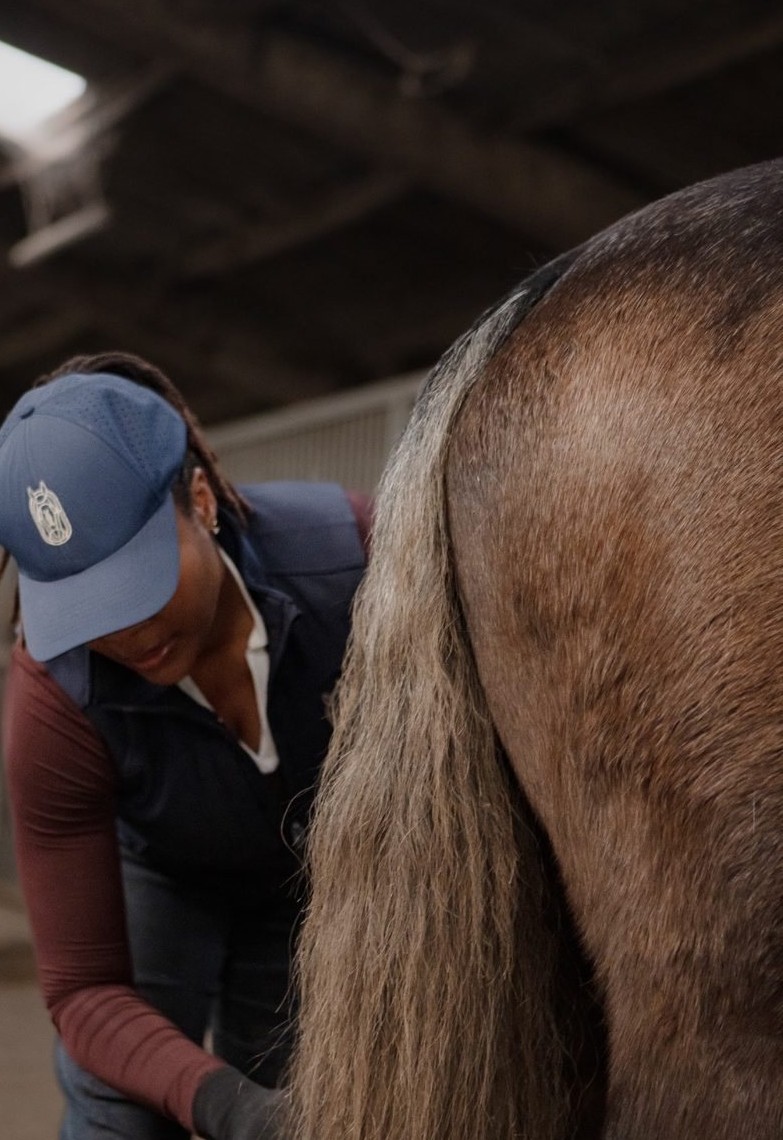
A polo pony in Nigeria faces parasite risks that a pony in Europe or Argentina does not. Screening is how a breeding programme turns that risk into a number on a record.
What one Nigerian study found
A cross-sectional study at Obollo-Afor in southeastern Nigeria sampled 304 horses. Only two (0.66%) carried active Trypanosoma brucei infections. Piroplasm infections were far more common: 19.1% of horses (95% confidence interval 14.7 to 23.5%) were positive, made up of Theileria equi at 16.1% and Babesia caballi at 3.9%. The two trypanosome isolates tested stayed sensitive to isometamidium and diminazene in mouse trials.
Read the study correctly. It covers one location in the southeast, not the Sahel, and it describes a particular population at one time. It shows the pattern: trypanosome infection was uncommon there while piroplasm carriage was frequent. A buyer cannot assume the same ratio at another yard.
Why the distinction matters
Trypanosomiasis is a blood parasite disease. Severity varies widely between individual horses.
Piroplasmosis (equine piroplasmosis) is caused by Theileria equi and Babesia caballi. A horse can carry it without obvious signs, and carriers matter for any breeding or movement decision.
A pony can look sound and still carry either. Only testing shows it.
The programme's screening standard
- Testing on file for blood parasites and for equine infectious anaemia, before a pony is listed.
- Mares tested before breeding, so risk is handled before a foal is conceived.
- Results released to buyers and open to your own veterinarian's review.
- Re-testing at defined points, not once.
The Standard on the home page states it plainly: Screened. Veterinary, trypanosomiasis and equine infectious anaemia results on file.
What screening does and does not do
A negative result is a record at one date. It does not make a pony immune. What it gives a buyer is information, and it gives the programme the data to see which mares and lines carry less burden over time. That is the only route to evidence on the adaptation question raised in the Sahel horse literature.
Frequently asked questions
Do all Nigerian horses have trypanosomiasis? No. In the Obollo-Afor study only 0.66% of 304 horses had active infection. Prevalence varies by place and population.
What is the most common blood parasite in that study? Theileria equi, at 16.1%.
Can I run my own tests on a pony I am considering? Yes. Buyers are expected to use their own veterinarian for inspection.
Breeding News
Continue Reading
African Horse Sickness: A Risk Map For West African Horse Owners
African horse sickness in West Africa: how midges spread it, how severe it is, and what antibody surveys in Nigeria and The Gambia show.
Read More
Equine Infectious Anaemia: What It Is And How Testing Works
What equine infectious anaemia is, how it spreads, how Coggins and ELISA tests work, and what a positive result means. Evidence summary.
Read More
Heat Stress In Horses: What The Research Says
How horses lose heat, why humidity matters, what raises heat stress risk, and where the research is still thin. A plain-English evidence summary.
Read MoreFirst Look
Hear First When The First Ponies Are Ready
No ponies are for sale yet. The interest list hears first.
Join The Interest List