
Heat Stress In Horses: What The Research Says
How horses lose heat, why humidity matters, what raises heat stress risk, and where the research is still thin. A plain-English evidence summary.
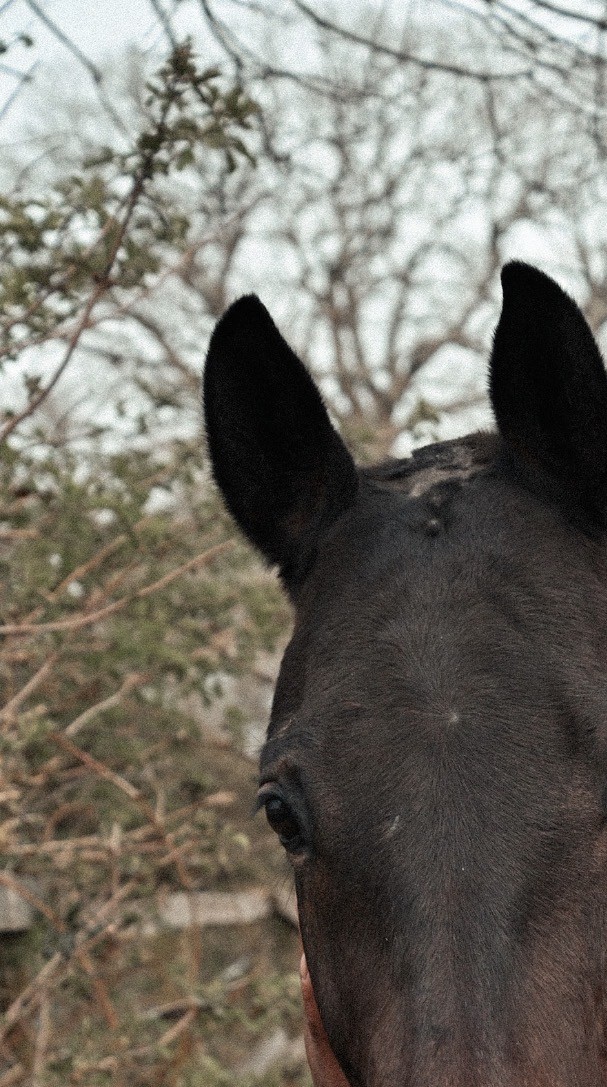
Heat stress in horses occurs when heat gain outpaces heat loss. Humidity matters as much as air temperature, because horses rely mainly on sweat evaporating. The research is largely review-based, and the sources reviewed describe no agreed definition and no Sahel-specific data.
How horses lose heat
A published literature review describes four routes: radiation, convection, conduction and evaporation. Evaporation is the main one. The review states that about 70 per cent of heat loss during exercise happens this way when humidity is low. Horse sweat contains a protein that helps it spread across the coat, which aids evaporation. When humidity is high, the review says sweat that simply runs off the animal removes only 5 to 10 per cent as much heat as sweat that evaporates.
What raises the risk
- Hard work. Core temperature can rise by about 1 degree Celsius per minute in strenuous exercise.
- Heat and humidity. The review cites ambient temperatures above 30 degrees Celsius and relative humidity above 90 per cent as risk factors, and reports higher body temperatures in more humid air at the same temperature.
- Transport. Temperatures inside a horse float were reported as 5.1 to 9.5 degrees Celsius above outside air.
Signs to know
The review gives a normal temperature range of 37.5 to 38.5 degrees Celsius. Heat stress can show as fast, shallow breathing, flared nostrils, a high heart rate, heavy sweating and odd behaviour. Heat stroke is reported at rectal temperatures of 41 to 43 degrees Celsius, sometimes with hot, dry skin. This is an emergency, and a veterinarian decides treatment.
What is not yet known
The review authors say there is no accurate information on the best cool-down method, no standard way to interpret heat stress, and little data on recovery from high body temperature. It gave no set acclimatisation period. The Australian Veterinary Association uses wet bulb globe temperature bands for competition planning. It suggests no changes below 28 degrees Celsius and cancellation above 33. These bands were written for competition horses, not for the Sahel.
What this means for the programme
Sahel mares are crossed with thoroughbred sires, using frozen semen with an import permit and a batch record. Ponies are microchipped, with DNA parentage and veterinary sign-off, and a written start record is kept. The programme is in formation. No ponies are for sale, and no results are claimed yet. No claim is made about how any cross copes with heat.
Frequently asked questions
Do horses cope better with dry heat than humid heat? The review reports that body temperature is higher in humid air at the same air temperature, because evaporation works less well.
Is there a standard heat stress threshold for horses? No. The review authors state that no standard, validated method exists.
What should an owner do if a horse seems overheated? Call a veterinarian promptly. Treatment and cooling decisions for an individual horse are theirs to make.
Breeding News
Continue Reading
Screening Polo Ponies For Trypanosomiasis And Piroplasmosis
What a Nigerian field study found in 304 horses, and why every polo pony in a breeding programme is screened for blood parasites before sale.
Read More
African Horse Sickness: A Risk Map For West African Horse Owners
African horse sickness in West Africa: how midges spread it, how severe it is, and what antibody surveys in Nigeria and The Gambia show.
Read More
Equine Infectious Anaemia: What It Is And How Testing Works
What equine infectious anaemia is, how it spreads, how Coggins and ELISA tests work, and what a positive result means. Evidence summary.
Read MoreFirst Look
Hear First When The First Ponies Are Ready
No ponies are for sale yet. The interest list hears first.
Join The Interest List