
How A Mare Is Assessed Before Breeding
What a mare breeding soundness examination covers: history, palpation, ultrasound, speculum, uterine culture and biopsy, and what each step shows.
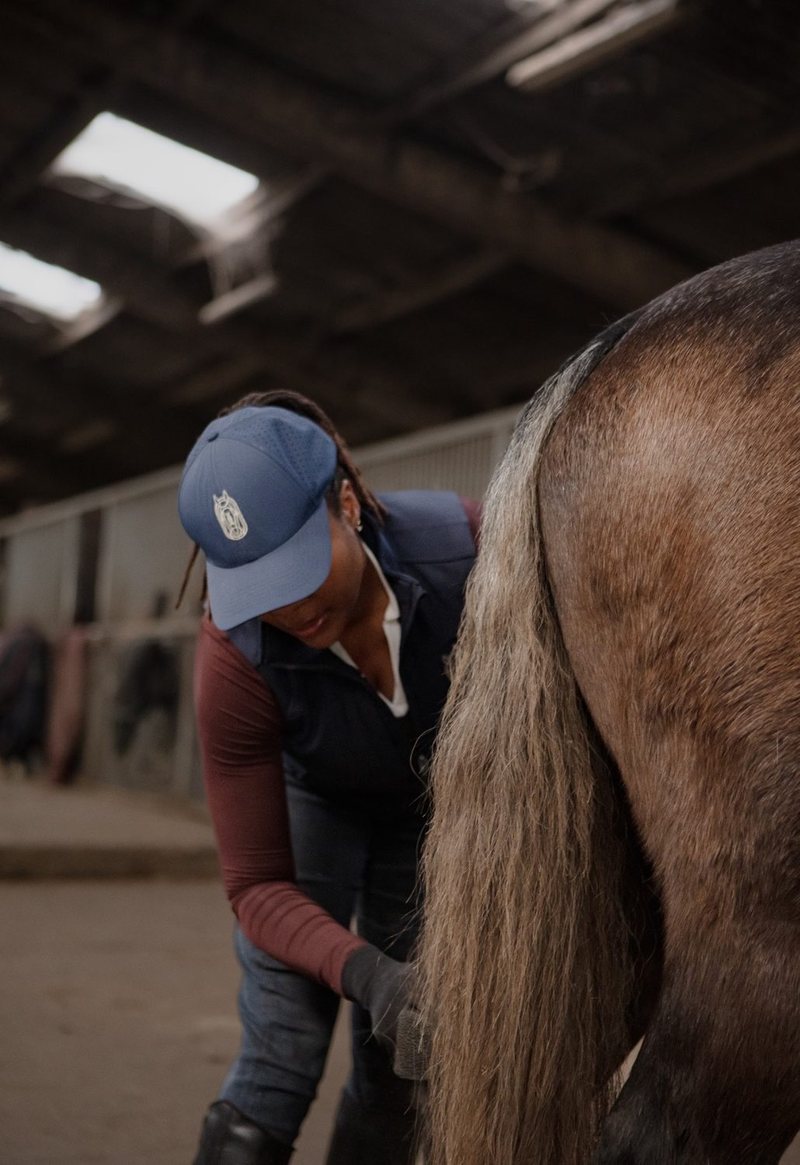
A mare is assessed before breeding through a structured veterinary examination. It looks at her history, general health and reproductive tract, and often adds tests for uterine infection. Colorado State describes the goal as finding known or possible reproductive problems and judging whether she can conceive and carry a foal to term.
History and general examination
The process starts with records. Extension guidance lists age, vaccination and medical history, heat dates, foaling dates and the number of breedings needed for conception. Management problems can look like infertility, so the history matters. The veterinarian then examines the whole animal: legs, hooves, pelvis, teeth, eyes, heart and lungs, and body condition. Severe over- or underweight is a concern. Conditions such as laminitis or joint disease can affect breeding or foaling.
The reproductive tract
The external examination covers vulva conformation, tone and any discharge. A veterinarian may listen for air drawn into the vagina. Rectal palpation assesses the uterus and ovaries and shows pregnancy status before any vaginal work. Ultrasound examines the whole tract. A speculum allows direct viewing of the vaginal walls and cervix for colour, inflammation, tumours, tears or scars. Cervical changes also hint at cycle stage, pregnancy or infection.
Tests for infection and uterine health
Uterine culture and cytology are used together to detect infection and to tell it from contamination. An endometrial biopsy examines a tissue sample under the microscope for inflammatory and degenerative change. The result is graded, and the grade is used to predict the likelihood of conception. Contagious equine metritis organisms can sit in the clitoral sinuses and need culture if suspected.
Limits of the evidence
The sources retrieved are extension and university guidance rather than trial data. They describe what is examined, not how well each step predicts success. I did not find assessment data specific to Sahel mares, and no ranges for normal findings are given here. A veterinarian interprets results for each mare. Timing also varies. Examinations are typically done before the breeding season, during it for problem mares, or at its end for barren mares.
What this means for the programme
Sahel mares are crossed with thoroughbred sires, using frozen semen with an import permit and a batch record. Mares are screened for trypanosomiasis and equine infectious anaemia before breeding. Each is microchipped, with DNA parentage recorded, veterinary sign-off, and a written start record. The programme is in formation. No ponies are for sale, and no results are claimed yet.
Frequently asked questions
Is rectal palpation enough on its own? The guidance describes it as one step among several. It is used alongside ultrasound, speculum examination and, where needed, culture, cytology or biopsy.
When is the best time to assess a mare? Colorado State says examinations usually take place before the season, with problem or barren mares assessed during or after it.
Can an assessment guarantee a pregnancy? No. It identifies known or possible problems and informs a veterinarian's judgement. It cannot promise a result.
Breeding News
Continue Reading
Why Thoroughbred Sires Suit Polo Ponies
Thoroughbreds bring speed and stamina to polo ponies, but temperament, conformation and inbreeding limit what a sire can offer. A plain review.
Read More
The Horses Of The Sahel: Dongola, Barb And Local Types
Sahel and Nigerian horses descend mainly from Barb and Dongola stock. The names overlap and the written evidence is thin. Here is what is known.
Read More
How The Argentine Polo Pony Was Built
The Argentine polo pony is a performance type made by crossing Thoroughbreds with Criollo horses. Here is what the sources say, and what they do not.
Read MoreFirst Look
Hear First When The First Ponies Are Ready
No ponies are for sale yet. The interest list hears first.
Join The Interest List