
Why Thoroughbred Sires Suit Polo Ponies
Thoroughbreds bring speed and stamina to polo ponies, but temperament, conformation and inbreeding limit what a sire can offer. A plain review.
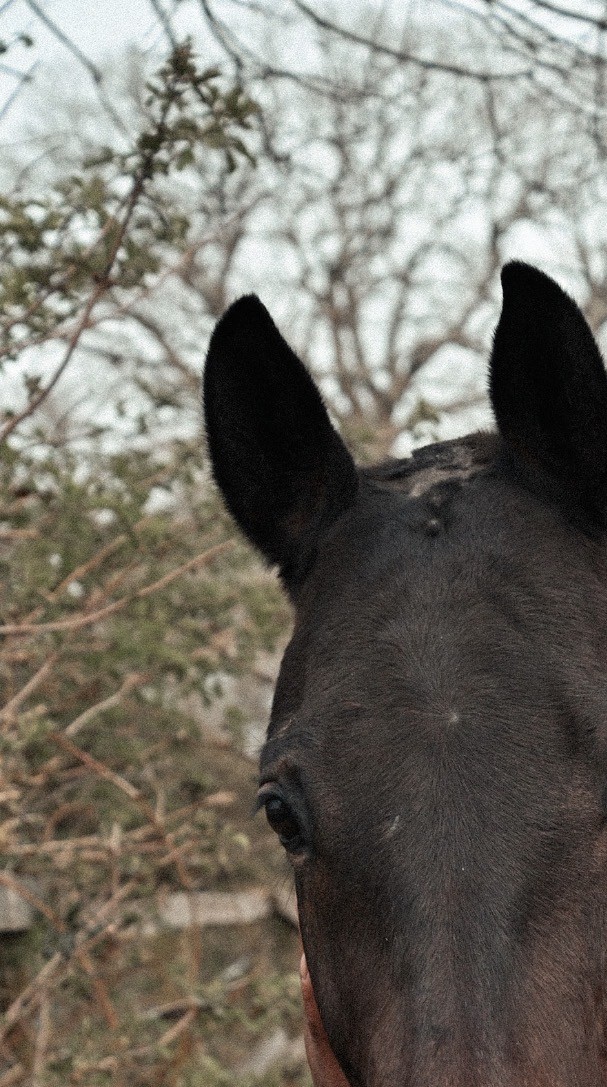
Thoroughbreds suit polo because they supply speed and stamina, and polo asks for both. A Thoroughbred sire is not a guarantee, though. Temperament, conformation and soundness matter as much as the pedigree.
What the Thoroughbred adds
A genetics review describes the Thoroughbred as bred for speed at intermediate distances and as foundation stock for the light horse breeds, polo ponies included. A general reference says a match has four to six chukkas of seven and a half minutes each, and that Argentine polo horses have favoured speed and endurance since the 1970s. The review gives 15.1 to 16.2 hands and 408 to 544 kg as the usual racing size.
Where Thoroughbreds fall short
Horse & Hound reports that polo people rate temperament as the most important quality. The horse must accept mounting from the ground, swinging mallets and collisions. Conformation matters too. A horse too long in the back struggles to turn tightly, and a poor hock angle makes it hard to stop while staying collected. Not every racehorse adapts. The breed also has low genetic diversity. In a study of 6128 Thoroughbreds, a 10% rise in inbreeding was linked to a 7% lower probability of ever racing.
Choosing a sire
A US polo breeder advises breeding only from a player's best mares. That operation uses shipped and frozen semen, and reports about five years before a horse reaches higher levels. The same operation uses embryo transfer so that a mare can keep playing. That is a practitioner view, not a trial. The review puts the heritability of racing time at about 0.1 to 0.2, and of earnings at 0.3 to 0.4. These are racing figures, not polo figures. I found none for polo in the sources retrieved, so a racing record is only a partial guide to a sire.
What this means for the programme
The programme is in formation. It crosses Sahel mares with thoroughbred sires, using frozen semen. It uses microchip identification, DNA parentage testing, veterinary screening and a written start record. No ponies are for sale and no results are claimed yet.
Frequently asked questions
Why are Thoroughbreds used in polo? Sources describe them as bred for speed and as foundation stock for light breeds, and polo favours speed and endurance.
Is any Thoroughbred suitable? No. Practitioners stress temperament and conformation, and say that not all racehorses adapt to polo.
Does racing success pass reliably to offspring? Only partly. The review gives heritability of about 0.1 to 0.2 for racing time and 0.3 to 0.4 for earnings.
Breeding News
Continue Reading
The Horses Of The Sahel: Dongola, Barb And Local Types
Sahel and Nigerian horses descend mainly from Barb and Dongola stock. The names overlap and the written evidence is thin. Here is what is known.
Read More
How A Mare Is Assessed Before Breeding
What a mare breeding soundness examination covers: history, palpation, ultrasound, speculum, uterine culture and biopsy, and what each step shows.
Read More
How The Argentine Polo Pony Was Built
The Argentine polo pony is a performance type made by crossing Thoroughbreds with Criollo horses. Here is what the sources say, and what they do not.
Read MoreFirst Look
Hear First When The First Ponies Are Ready
No ponies are for sale yet. The interest list hears first.
Join The Interest List