
Why Young Horses Are Started In Gated Stages
Early work is not harmful in itself, but dose and progression matter. Why staged starts with checkpoints suit young horses better than a fixed age.
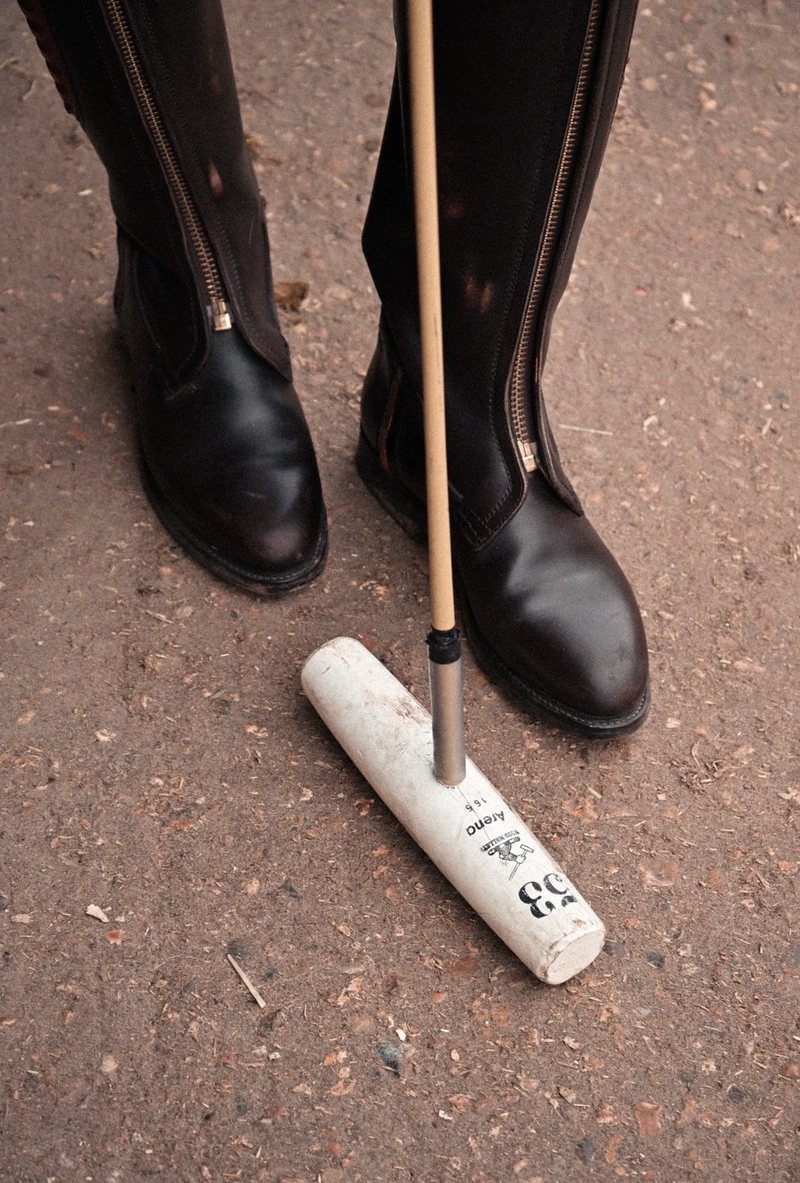
Young horses are started in gated stages because the evidence favours careful, graded exercise over both neglect and overload. Studies suggest that early work is not harmful in itself, and that the amount and progression matter. A gate is a checkpoint that must be passed before the next stage begins.
What the evidence says about early work
A study of 535 two-year-old Thoroughbred racehorses in Queensland followed them for 56 weeks. Starting training later was linked with a higher injury hazard, and more high-speed exercise was linked with lower risk. The authors suggested that early training aids tissue adaptation. Mississippi State University Extension makes a similar case for moderate exercise during growth, and warns that stalling weakens bone.
Why overload is still a risk
The same extension publication says recovery can take up to 48 hours even after short bursts of activity, and that overexercising raises injury risk. An expert quoted by The Horse says conditioning, not age at starting, is the deciding factor. That article also notes that no study had compared injury rates by starting age in cutting horses.
Why gates rather than a calendar
Growth plates close at different ages by site, and some limb plates were still closing at around 27 to 40 months in a study of Icelandic horses. Because maturity varies, a fixed age is a weak trigger. A gate asks whether the horse is ready, not how old it is. The racehorse data also come from a different sport, so they guide principle rather than prescribe a polo schedule.
What this means for the programme
The programme is in formation. It crosses Sahel mares with thoroughbred sires. Every pony follows a written start plan that begins with a veterinary sign-off. Backing comes first, for sixteen weeks minimum, with short sessions and calm handling. Generalisation follows. Structural Hardening begins only after a vet confirms skeletal maturity. Sessions are capped at 10 to 15 minutes, and there is no strength work before maturity is confirmed. A small case series with success criteria set in advance will test the approach. No ponies are for sale and no results are claimed yet.
Frequently asked questions
Is starting a young horse early harmful? The Queensland racehorse study linked later starts with higher injury hazard, so early work is not harmful in itself. Dose and progression matter.
Why not simply wait until a horse is fully grown? Stalling and inactivity can weaken bone, according to Mississippi State University Extension, so graded exercise is generally favoured over waiting.
Do these studies prove a polo start plan works? No. They come from racing and general horse management, so they support the principle of graded work, not a specific polo schedule.
Breeding News
Continue Reading

When A Horse Is Skeletally Mature: Growth Plates Explained
Growth plates close in sequence, and timing varies by breed, nutrition and individual. What the closure data show, and why a vet confirms maturity.
Read More
How DNA Parentage Testing Works In Horses
How laboratories compare DNA profiles to confirm a horse's sire and dam, what markers they use, and what a result can and cannot tell you.
Read More
Why Nigeria Needs Its Own Polo Pony
Imported polo ponies are costly and arrive unadapted to Nigerian heat and disease load. Here is the case for breeding the polo pony in Nigeria.
Read MoreFirst Look
Hear First When The First Ponies Are Ready
No ponies are for sale yet. The interest list hears first.
Join The Interest List