
The Polo Handicap System Explained
How polo handicaps rate players from minus 2 to 10, how team totals work, and why each national association sets its own ratings.
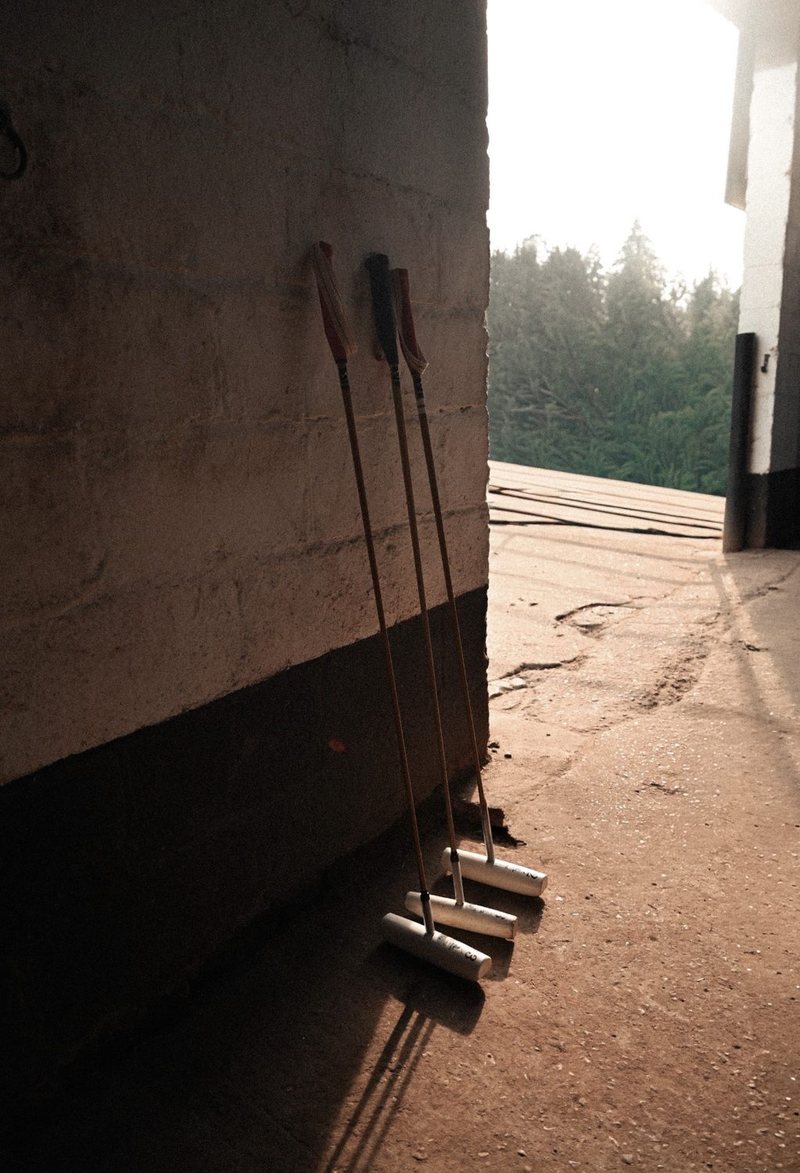
A polo handicap is a rating of a player, running from minus 2 to 10 goals in most systems, and the ratings are combined to even out matches. Handicaps are set by each national association, so the same player can be rated differently in different countries. The Hurlingham Polo Association (HPA) and the United States Polo Association (USPA) both use committees.
How the numbers work
Each player carries an individual rating. The HPA describes its scale as running from minus 2 for beginners to 10, with most players clustered between minus 2 and plus 1. A team's handicap is the sum of its four players. If one total is higher, the other team starts with the difference as a head start on the scoreboard. Tournaments often set limits so teams are not far apart, and the HPA says this is usually a four-goal difference.
Who sets them
In England, club handicap committees make recommendations and the HPA handicap committee decides. The USPA uses separate committees for outdoor, arena and women's polo, with reviews twice a year. Its outdoor scale runs from minus 1 to 10, with half goals between minus 1 and 2. One guide lists the criteria as knowledge of the rules, riding and ball-hitting ability.
Why ratings differ between countries
There is no single global authority. A worldwide guide reports that Argentine ratings are widely seen as the strictest, so a player may be rated one to two goals higher elsewhere. Several countries also keep separate women's scales. Treat any conversion as approximate and check the rules of the association that runs the event.
What this means for the programme
Handicaps rate players, not ponies, and the programme makes no handicap claims. The programme is in formation. It crosses Sahel mares with thoroughbred sires. Every pony follows a written start plan that begins with a veterinary sign-off. Backing comes first, for sixteen weeks minimum, with short sessions and calm handling. Generalisation follows. Structural Hardening begins only after a vet confirms skeletal maturity. Sessions are capped at 10 to 15 minutes, and there is no strength work before maturity is confirmed. A small case series with success criteria set in advance will test the approach. No ponies are for sale and no results are claimed yet.
Frequently asked questions
What does a handicap goal mean? It is a unit of player rating. Team totals are compared, and the difference can become a head start on the scoreboard.
Who decides a player's handicap? Each national association decides through its own committees, such as the HPA handicap committee or the USPA committees.
Is a 2-goal player the same everywhere? Not necessarily. Associations differ in standards and scales, so ratings can shift when a player moves between countries.
Breeding News
Continue Reading
What Makes A Good Polo Pony: Conformation, Movement And Temperament
Balance, soundness, speed, agility and temperament: what extension and polo guides say a good polo pony needs, and where conformation falls short.
Read More
How DNA Parentage Testing Works In Horses
How laboratories compare DNA profiles to confirm a horse's sire and dam, what markers they use, and what a result can and cannot tell you.
Read More
Why Nigeria Needs Its Own Polo Pony
Imported polo ponies are costly and arrive unadapted to Nigerian heat and disease load. Here is the case for breeding the polo pony in Nigeria.
Read MoreFirst Look
Hear First When The First Ponies Are Ready
No ponies are for sale yet. The interest list hears first.
Join The Interest List